
In final testing
From a road in the dark to The Long Night
Midnight Dash started as a black screen with a road on it. Six screenshots from three days in November, and how that road became a story in eighteen stages.
Published
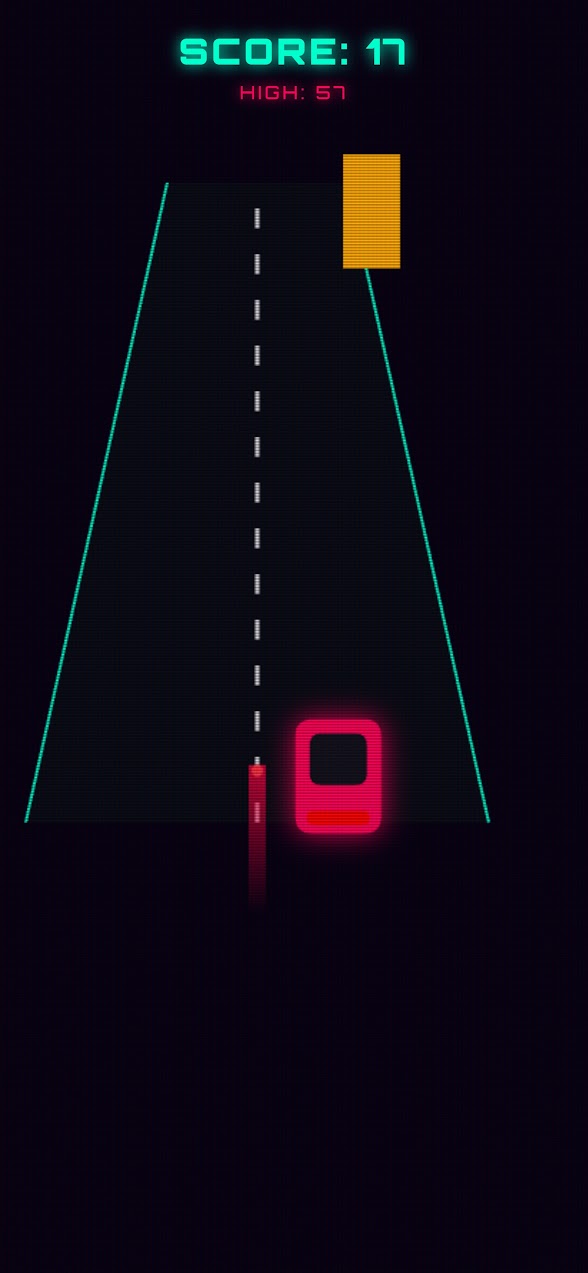
The first version was not called Midnight Dash and did not look like it. It was a project folder called Midnight Run, a road running off into the dark, a score in the corner and one instruction: tap left, tap right. That is the whole of it in the first picture, and it was already enough to want another go.
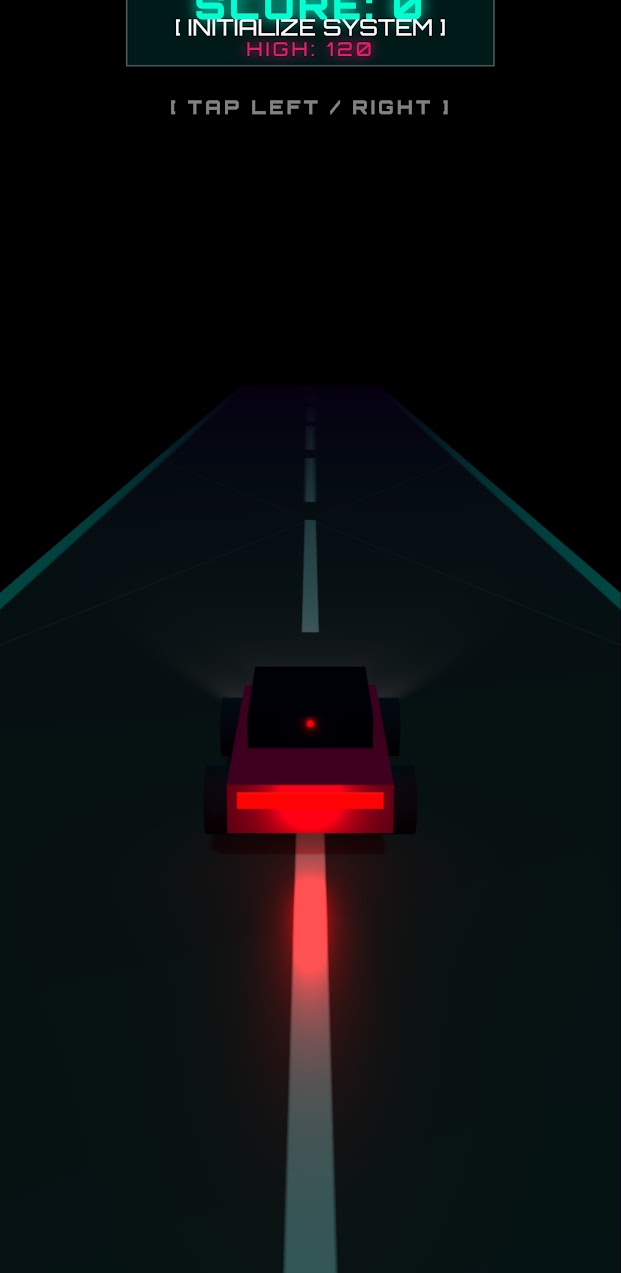
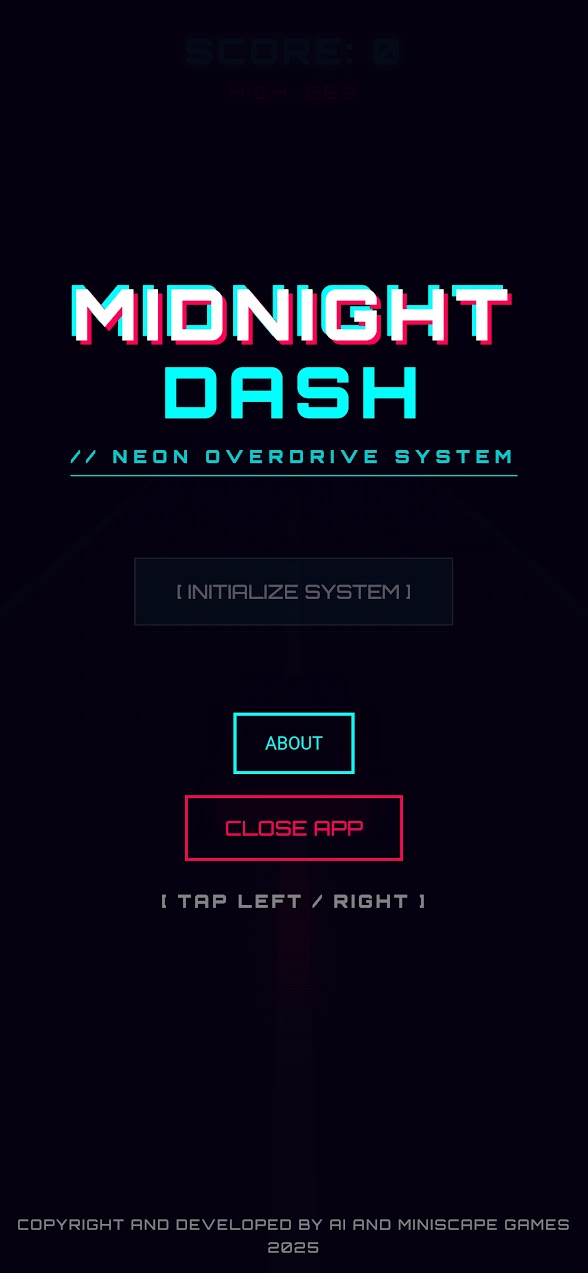
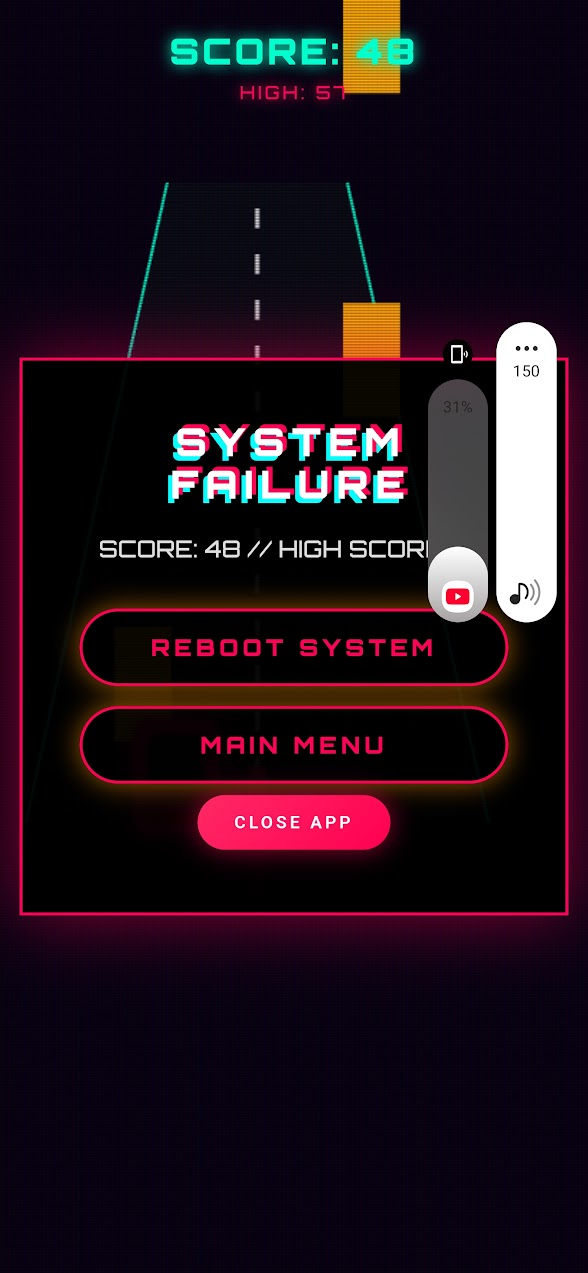
The name went first. Midnight Run was the folder, Midnight Dash was the game, and Neon Overdrive was the register it wanted to be in: everything shouted, everything glowed, and every button was a system instruction. Crashing was a SYSTEM FAILURE and starting again was a REBOOT. I have kept a lot of that. The HUD in 2.0 is a direct descendant of those two screens.
It ran in a browser first
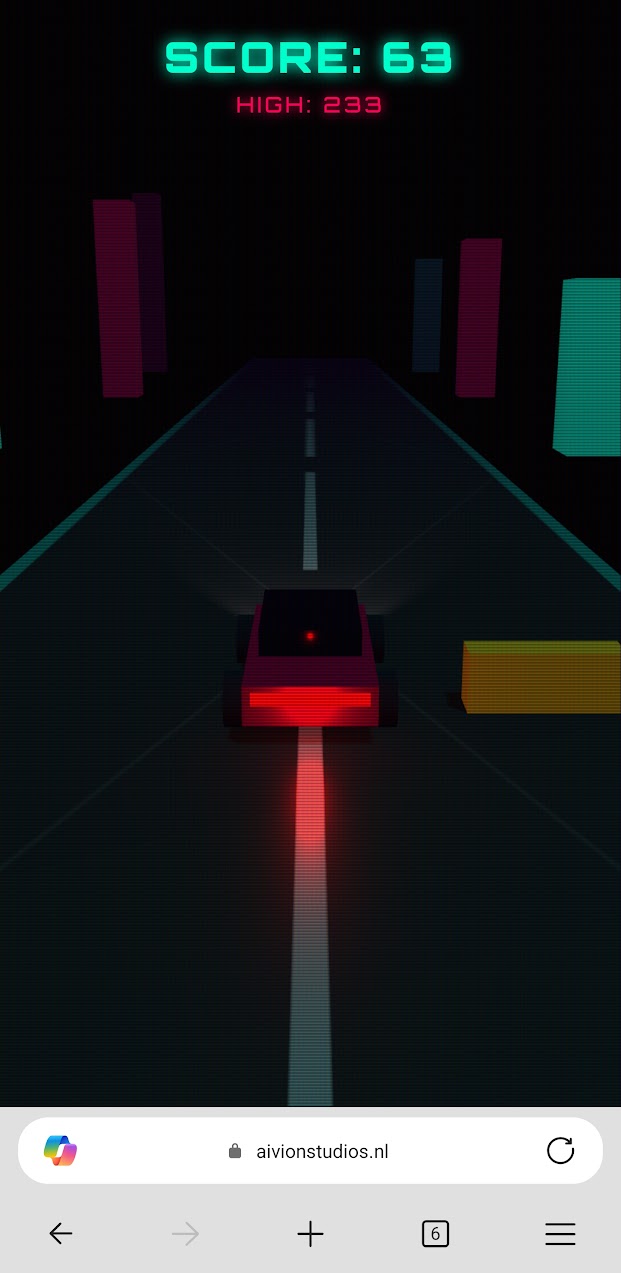
The third picture is the game running in a mobile browser, on the Aivion Studios domain, before there was any Android build. That is still how most of my work starts: get it on a phone screen the cheap way, find out whether the one thing it does is any good, and only then worry about what it is packaged as.
It was not good yet. The road was a corridor, the obstacles arrived at random, and the only thing to do with a run was end it. What it did have was the loop — the bit where you look at the score, decide it was your own fault, and start again.
What it became
The road has three lanes now, and it runs through eight worlds instead of one corridor, from Neon City to Dawn Coast. What 2.0 adds is a reason to be on it. The Long Night is a story in three acts and eighteen stages: Nova has taken the Core back from the Warden, and you drive her and it to the old beacon on the coast before the sun comes up. Dex talks you through it on the radio. The Warden talks back.
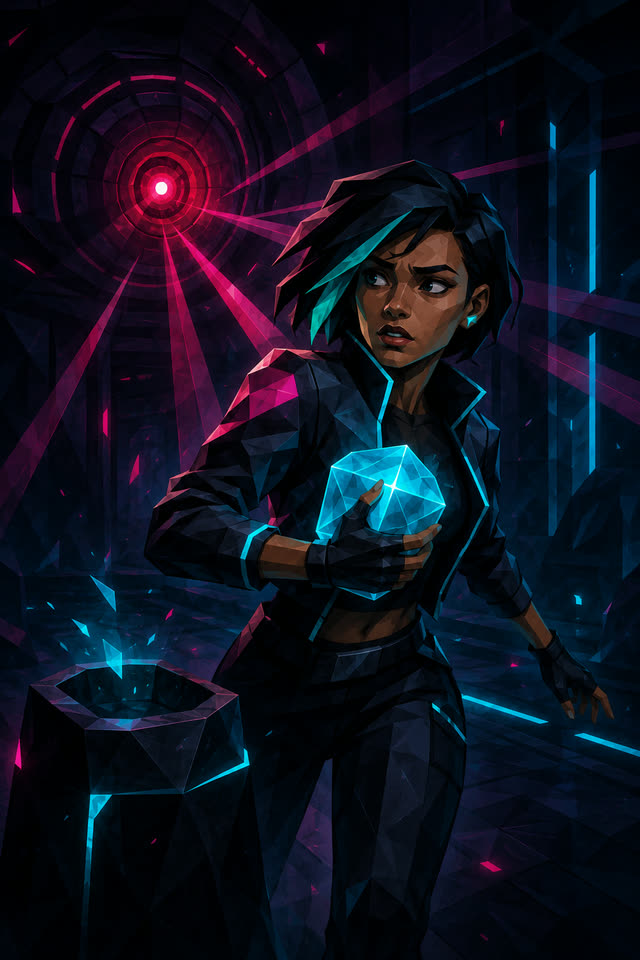
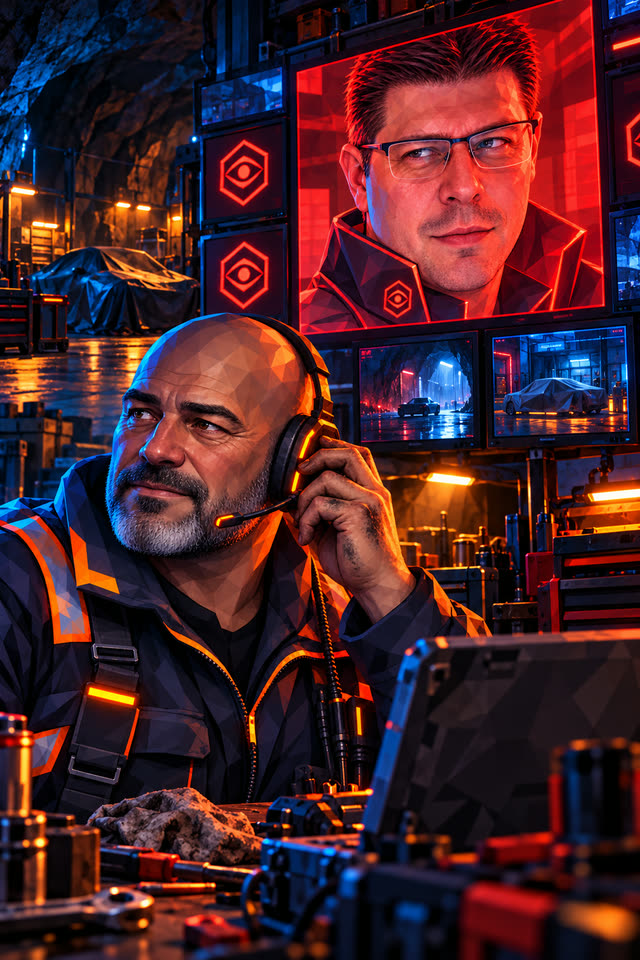
Each act ends with the Hunter, the Warden's own car, which drives ahead of you and fires a laser back down your lane. Comic panels sit between the stages and stay in a gallery once you reach them. There are six cars — three that come with the acts and three you earn — seven trail colours, twenty achievements, and a soundtrack of seven tracks by CinemaScape Music. Finish the story and Story+ opens: every stage again, faster, with any car.
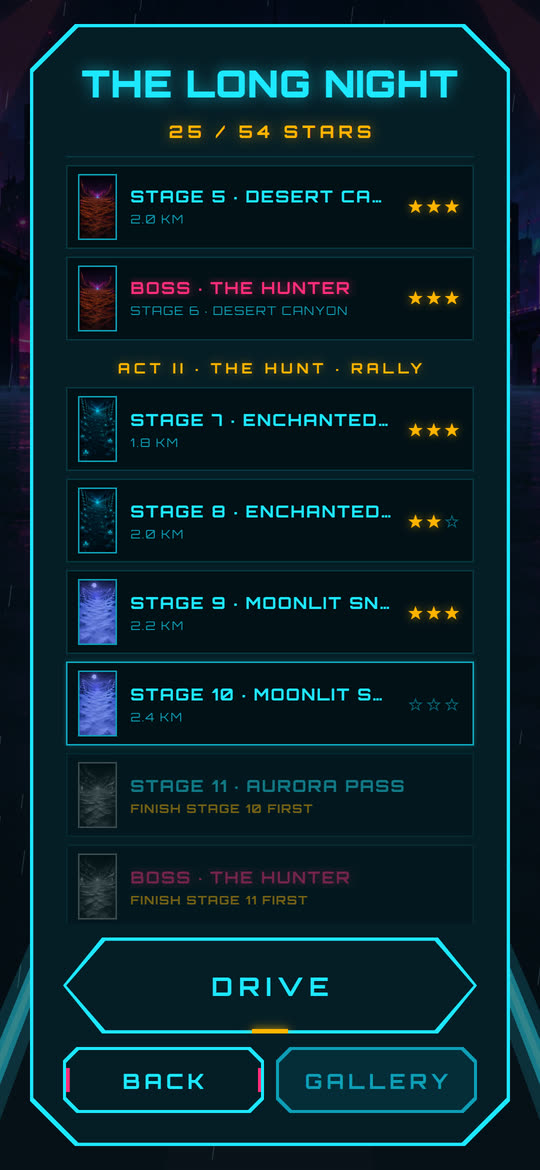
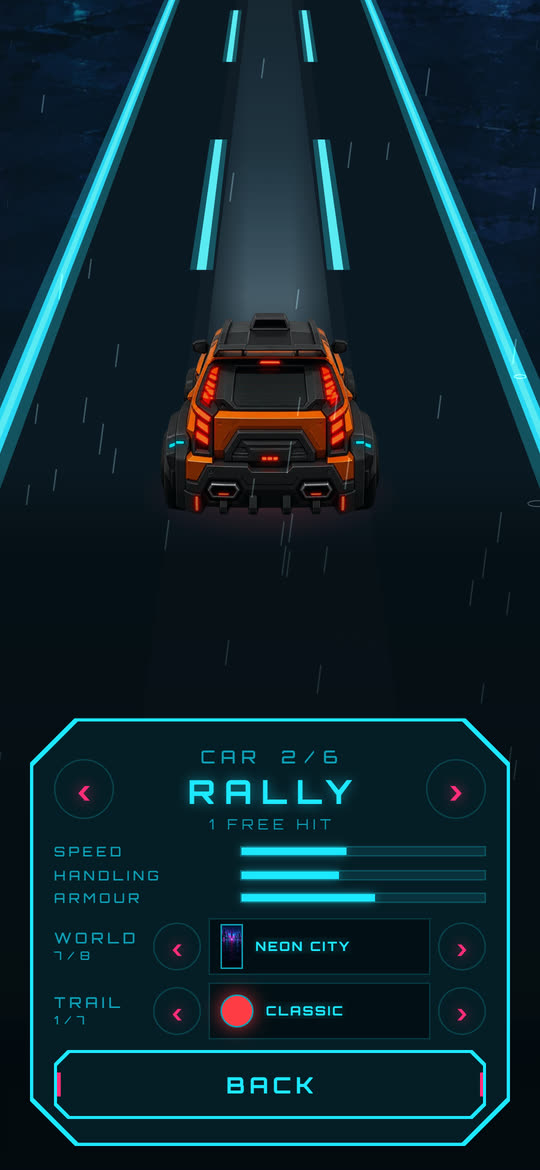
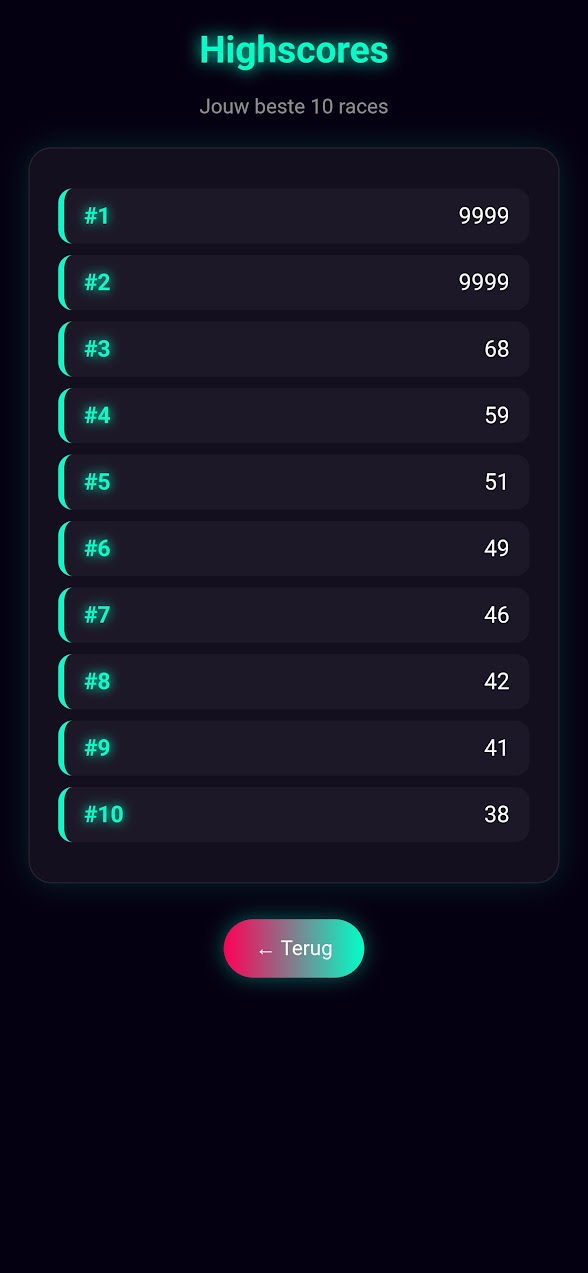
The high-score list in the last November picture is still in there: the ten best runs, kept on the phone and nowhere else. No account, no leaderboard, no network call — the rule the whole game keeps.
Where it is now
Midnight Dash 2.0 is in its last round of testing for Android. It will be the first MiniScape game that is not free: a premium game, bought once, with no advertising and nothing for sale inside it. What you buy is all of it.